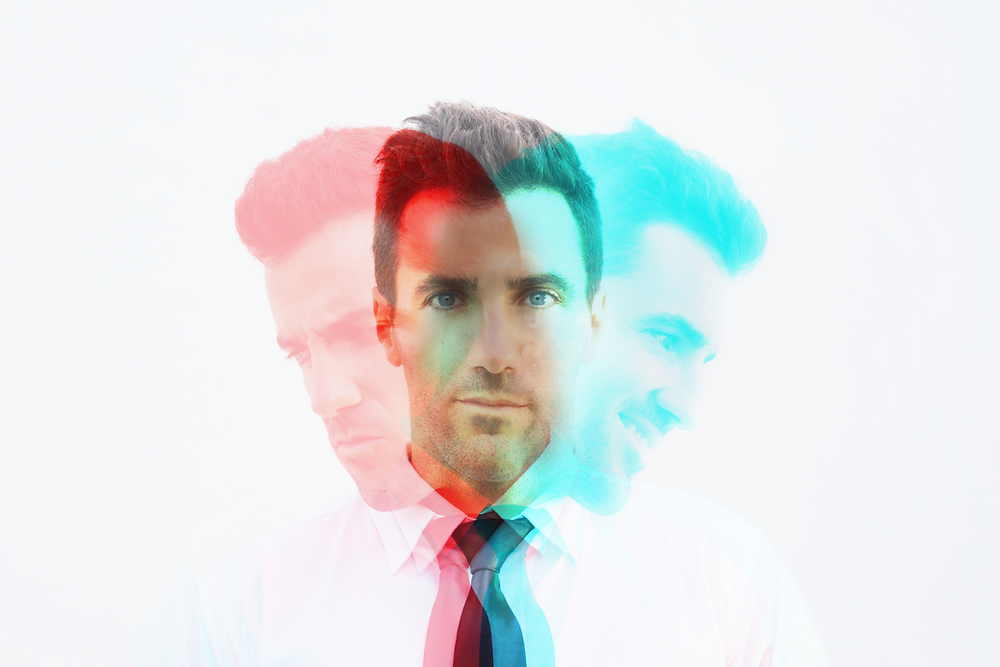
Personality and emotional changes after a concussion can be confusing for both the person recovering and the people closest to them. Irritability, anxiety, low mood, reduced frustration tolerance, fatigue, and changes in social behaviour may all affect relationships during recovery. Understanding that these symptoms can be related to the injury can make it easier for family and friends to respond with patience and support.
The Nature of Concussions and Emotional Changes
A concussion is a type of mild traumatic brain injury (TBI) and can affect emotional as well as physical and cognitive function. During recovery, some people experience irritability, anger, social anxiety, low mood, or changes in how they respond to stress. These shifts can be difficult for family and friends, especially when they feel out of character for the person who was injured.
Why Do These Changes Happen?
Following a brain injury, the brain’s ability to process information and regulate emotions can be disrupted. This can contribute to prolonged negative moods, reduced tolerance for stimulation, or emotional lability, where responses may feel stronger or less predictable than usual. These symptoms can persist beyond the initial injury period and may reflect changes in brain function rather than a person’s values or character. Because concussion symptoms are not always obvious immediately, ongoing monitoring and appropriate assessment are important.
The Role of Laser Therapy in Recovery
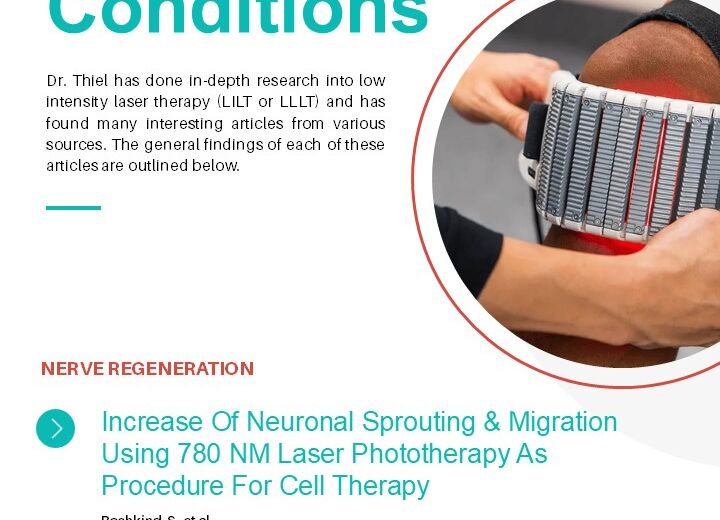
Photobiomodulation, including low-level laser therapy, has been studied as a non-invasive approach in brain-injury rehabilitation, but the evidence is still developing and treatment responses vary. At Okanagan Laser Solutions, laser therapy is incorporated into individualized concussion care rather than presented as a guaranteed outcome.
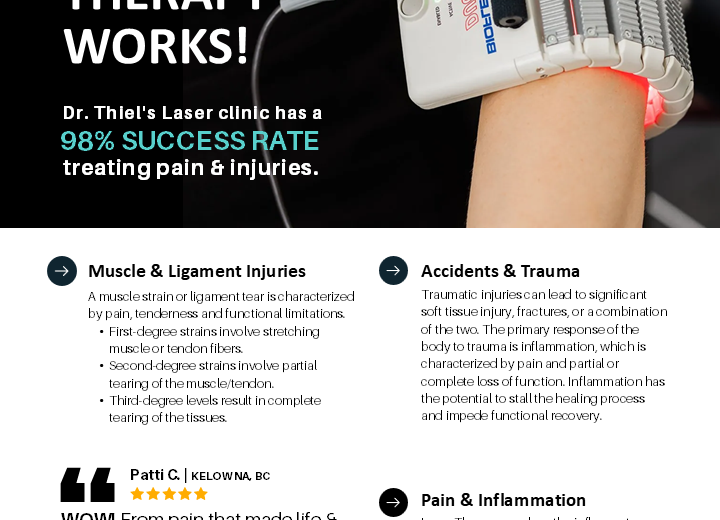
Dr. Markus Thiel’s proprietary concussion protocol has been evaluated in an Okanagan Laser Solutions five-year clinic pilot study, in which the clinic reported a 96% success rate in reducing concussion-related symptoms. The clinic study is available here for patients who want to review the reported results and methodology.
Supporting Your Loved Ones During Recovery
Recovery can be difficult for both the person who was injured and the people supporting them. Practical support can include reducing unnecessary stress, allowing for rest and gradual activity, keeping communication calm, and encouraging professional assessment when symptoms persist or worsen. Treatment decisions, including whether laser therapy has a role, should be based on an individualized clinical assessment.
Personality and emotional changes after concussion can be distressing, but understanding them as possible injury-related symptoms can help families respond more constructively. With appropriate assessment, treatment, time, and support, many people make meaningful progress in recovery.
Dr. Markus Thiel | BPE, RT, DC