
Plantar Fasciitis Treatment in Kelowna
Okanagan Laser Solutions provides individualized care for plantar fasciitis and heel pain in Kelowna, including BIOFLEX® low-level laser therapy when appropriate.
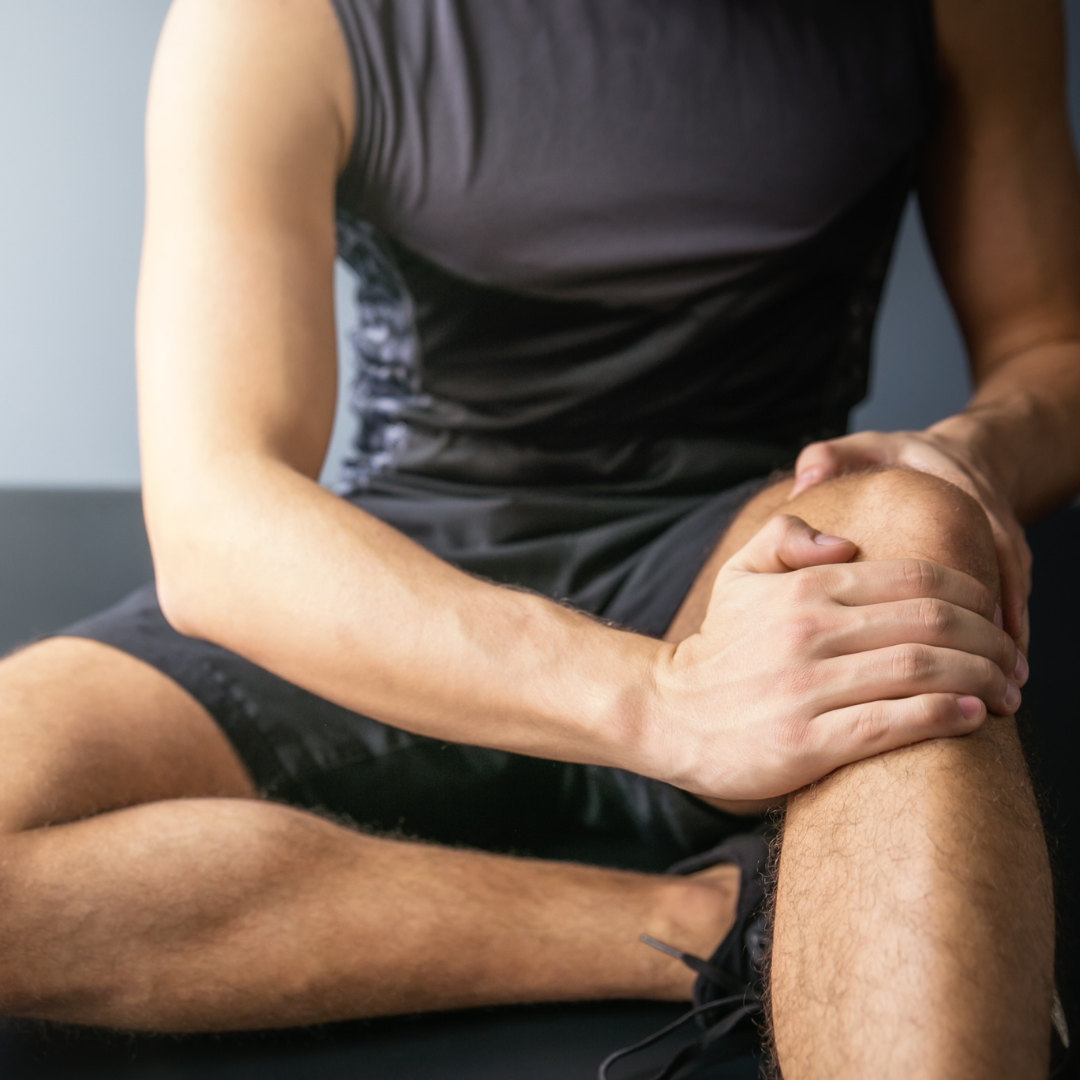
Plantar fasciitis is more than simply heel pain
Plantar fasciitis is a common cause of pain around the heel and plantar fascia. Symptoms are often most noticeable with the first steps after rest, prolonged standing, walking, running, or changes in activity load. The severity and pattern can differ significantly between patients.
Not every case of heel pain is plantar fasciitis. Assessment matters because the treatment plan should reflect the actual symptom pattern, activity demands, health history, and other possible contributors rather than relying on the label alone.
First-step pain
Pain can be pronounced with the first steps after getting out of bed or after sitting for a period of time.
Heel tenderness
Symptoms are often felt near the heel or along the underside of the foot, though the exact location varies.
Walking & standing limits
Long periods on the feet can become difficult when the tissue is sensitive to repeated loading.
Running & sport
Increases in running volume, intensity, jumping, court sports, or other repetitive load can aggravate symptoms.
Footwear & load changes
Changes in shoes, work demands, body load, surfaces, or training can influence symptom behaviour.
Persistent heel pain
Longer-lasting symptoms may require reassessment of diagnosis, loading, activity, and whether the current treatment strategy is helping.
A plantar fasciitis plan built around load and recovery
Assessment
The location and behaviour of heel pain, walking tolerance, activity, recent load changes, relevant movement, and medical history are reviewed.
Treatment plan
The clinician determines whether laser therapy, activity modification, chiropractic or musculoskeletal care, another approach, or referral is appropriate.
Treatment & load management
Care may include BIOFLEX® laser therapy alongside practical changes intended to reduce aggravating load while maintaining appropriate activity.
Progression
Walking, standing, exercise tolerance, pain behaviour, and return-to-activity goals are reassessed over time.
Laser treatment for plantar fasciitis
Low-level laser therapy has been studied for several soft-tissue and pain conditions, including plantar-fascia and heel-pain presentations.
Treatment response varies. BIOFLEX® laser therapy is used as one potential part of care and is not presented as a substitute for assessing activity load, diagnosis, or other contributing factors. Learn more about BIOFLEX® laser therapy in Kelowna.
Looking beyond the painful spot
Heel pain may be influenced by how the foot and lower limb are moving and loading, as well as by activity volume and tissue tolerance. A broader musculoskeletal assessment can help identify whether other movement or function issues are relevant.
When appropriate, chiropractic or related musculoskeletal care can be incorporated alongside laser therapy, but the treatment plan depends on the individual findings. Learn more about chiropractic care in Kelowna.
Evidence-informed patient resources
Plantar fasciitis treatment FAQ
Can laser therapy help plantar fasciitis?
Low-level laser therapy has been studied for soft-tissue and pain conditions, including plantar-fascia presentations. Whether it is appropriate and how much benefit it provides varies by patient.
Why is heel pain worse with the first steps in the morning?
Plantar-fascia symptoms often change after periods of rest and then with repeated loading. The first-step pattern is common, but it is not enough by itself to confirm a diagnosis.
Should I stop walking or exercising completely?
Not necessarily. The appropriate amount and type of activity depends on symptom severity, load tolerance, and the activities involved. Complete rest is not automatically required for every case.
How long does plantar fasciitis take to improve?
Recovery varies considerably. Duration of symptoms, activity demands, tissue irritability, load management, health factors, and treatment response all influence the timeline.
What if my heel pain is severe or unusual?
Sudden major injury, inability to bear weight, marked swelling, neurological symptoms, systemic symptoms, or persistent unexplained pain should be assessed appropriately to rule out other causes.
Looking for plantar fasciitis treatment in Kelowna?
Contact Okanagan Laser Solutions to discuss your heel pain, walking or activity limitations, and whether BIOFLEX® laser therapy or integrated musculoskeletal care may be appropriate.